Shaolin Soccer Game: Unleashing the Spirit of Martial Arts on the Soccer Field
The fusion of martial arts and soccer offers a unique gaming experience in the form of Shaolin Soccer. This intriguing game combines the philosophy and techniques of Shaolin Kung Fu with the adrenaline-pumping dynamics of soccer. As players engage in the game, they are introduced to a world where strategy, skill, and tradition meet in an electrifying setting. This article delves into the features, introduction, and rules of Shaolin Soccer, while also reflecting on current events that highlight its growing popularity and relevance.
Introduction to Shaolin Soccer
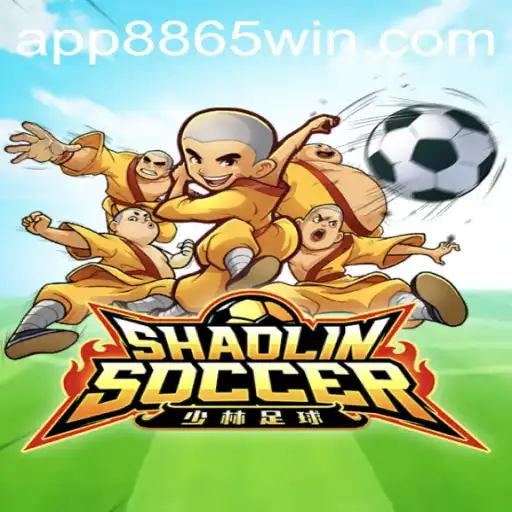
Shaolin Soccer takes inspiration from the popular film of the same name that captivated audiences with its imaginative approach to sports entertainment. The game brings this concept to life by allowing players to control a team of monks using Shaolin Kung Fu techniques to score goals and win matches. The game’s development capitalizes on the increasing global fascination with martial arts, combining elements of traditional soccer dynamics with visually stunning martial art moves.
Players are drawn into an environment where every match is an epic showdown of strategy and showmanship. The animation, graphics, and special effects are designed to keep players engaged with breathtaking depictions of acrobatics and martial arts, ensuring that each game is as exciting as it is unpredictable.
Game Features and Mechanics
Shaolin Soccer features a variety of game modes including single matches, tournaments, and skill challenges. Players can choose from different levels of difficulty, providing opportunities for both beginners and seasoned gamers to enjoy the experience. The characters are richly detailed, each with their own unique set of skills representative of different Kung Fu styles, such as Crane kicks and Tiger stances.
The game mechanics are intuitive, allowing players to execute complex combinations of martial art moves seamlessly. This integration of Kung Fu into soccer actions results in spectacular goal-scoring techniques that are unique to each player character. The team customization feature allows users to tailor their team roster, optimizing both strategy and spectacle on the field.
Moreover, the inclusion of power-ups and special abilities offers an edge in competitive play. These elements require precise timing and strategic use, thus enriching the player’s tactical approaches to each match. With so much variety, every game becomes a novel experience, requiring players to adapt and innovate continually.
Rules and Gameplay Structure
The rules of Shaolin Soccer adhere largely to the familiar framework of traditional soccer, with several creative enhancements to incorporate martial arts dynamics. Matches are played with two teams, each aiming to outscore the other by the end of the game. However, what sets it apart is the freedom to utilize martial arts moves, which are incorporated within the same context of soccer regulations yet imbued with extravagant flair typical of Kung Fu cinema.
Each match is divided into two halves, with a specific time duration that can be adjusted according to player preference. Players must navigate through their opponents using martial art techniques while respecting standard soccer rules, such as offside and fouls, with leniencies that allow for show-stopping moves without negatively impacting gameplay. These special moves add a layer of depth and strategy, as players must decide when to conserve energy for critical plays.
In addition to the basic rules of soccer, the game introduces the concept of Chi energy. Chi represents the player’s stamina and ability to perform special moves. Managing Chi effectively is crucial as it influences the pace and execution of power moves during the match.
Current Events and Relevance
The popularity of Shaolin Soccer has surged recently, reflecting a broader trend in the gaming industry towards hybrid sports games that offer unique cultural experiences. This surge aligns with an increased global interest in martial arts, driven partly by international events promoting cultural exchange through sport and competition.
Recent tournaments featuring Shaolin Soccer have garnered significant attention across social media platforms, showcasing the creativity and skill involved in mastering the game. Furthermore, collaborations with martial arts academies and sports clubs have emerged, leveraging the game as a tool for promoting physical fitness and cultural appreciation among younger audiences. These collaborations emphasize the educational potential of integrating video games with traditional practices.
The game's inclusive design also makes it accessible to a worldwide audience, inspiring diverse groups to engage with the game, thereby fostering a global community united by a shared interest in sports and cultural heritage.
Conclusion
Shaolin Soccer stands out as an innovative blend of sports and culture, captivating players by bringing the majestic world of martial arts to the soccer field. As the game continues to evolve and capture the imagination of new audiences, its impact on both gaming culture and the appreciation of martial arts traditions will likely continue to grow.